

From AI assistant to context-aware colleague: understanding WorkIQ
Imagine starting your workday, opening your laptop, and before you click anything, AI already understands what you need to do. Not because you told it, but because it understands how you work, who you collaborate with, which documents matter, and which deadlines are approaching.
This is not science fiction. According to Microsoft, this is the next phase of work, and it is powered by something called WorkIQ. In this blog, I unpack what WorkIQ really is, why Microsoft introduced it, and how it quietly transforms Microsoft 365 Copilot from a smart assistant into something much more powerful.
This is not science fiction. According to Microsoft, this is the next phase of work, and it is powered by something called WorkIQ. In this blog, I unpack what WorkIQ really is, why Microsoft introduced it, and how it quietly transforms Microsoft 365 Copilot from a smart assistant into something much more powerful.
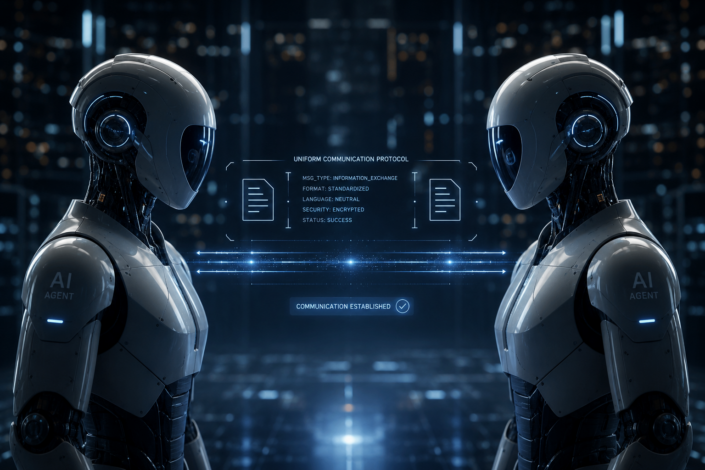
Why the Model Context Protocol changes how AI agents work
AI can either empower employees or replace them, and that choice shapes your organization. A focus on augmentation strengthens people, skills and long term value creation. A focus on replacement may deliver short term efficiency, but introduces hidden risks. Culture, trust and talent development are directly impacted by this decision. Ultimately, your view on people determines the success of AI.
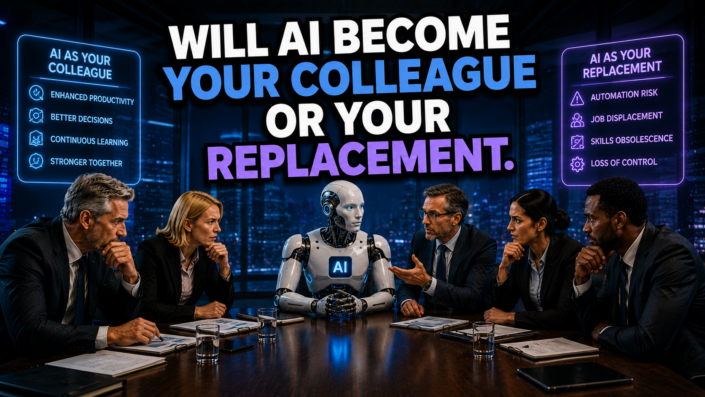
Will AI become your colleague or your replacement
AI can either empower employees or replace them, and that choice shapes your organization. A focus on augmentation strengthens people, skills and long term value creation. A focus on replacement may deliver short term efficiency, but introduces hidden risks. Culture, trust and talent development are directly impacted by this decision. Ultimately, your view on people determines the success of AI.

Old buildings in Norwich
Inspired by the historic buildings of Norwich, this blog explores how business applications resemble strong architectural foundations. While AI, Copilot and agents are often seen as disruptive forces, they don’t replace what already works, they enhance it. The future of business software lies in strengthening proven systems with intelligent layers, allowing stability and innovation to coexist.

Building responsibly or pushing ahead quickly
Speed used to define innovation, but with AI, mistakes scale faster than ever. Organizations must decide whether to embed responsibility from day one or fix issues later. Trust, compliance and transparency are no longer optional, but essential for growth. Responsible AI may slow early progress, but accelerates long term adoption. AI only scales when trust is designed into the system from the start.
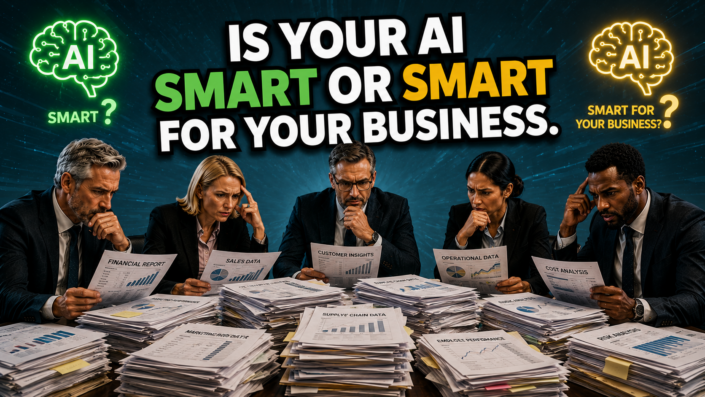
Is your AI smart or smart for your business
Generic AI is widely available, but without your own data it remains shallow. True value emerges when AI understands your customers, processes and history. This requires deliberate investments in data, integration and governance. Without that context, AI stays a helpful assistant rather than a strategic asset. In the end, your data determines whether AI differentiates or commoditizes your business.
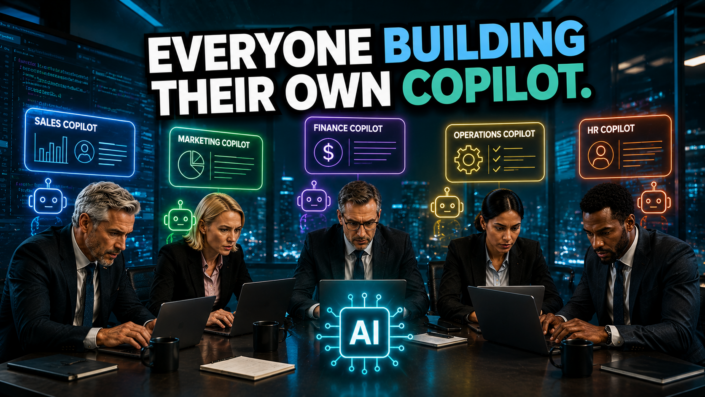
Everyone building their own Copilot
Organizations can now build AI solutions faster than ever, even without technical expertise. This raises a crucial question: do you centrally govern AI, or let it grow organically in the business? Too much control slows innovation, but too much freedom creates fragmentation and risk. The real challenge is finding the balance between structure and autonomy. Those who get this right build not just copilots, but a scalable AI ecosystem.
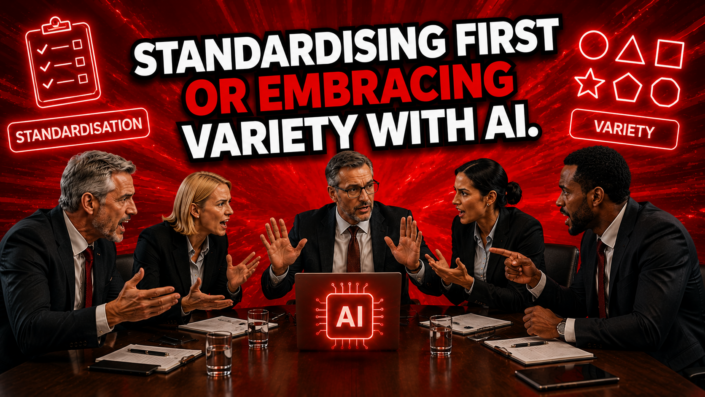
Standardising first or embracing variety with AI
Traditionally, processes needed to be standardized before automation. AI introduces the option to handle variation intelligently instead of eliminating it. This creates flexibility, but also new risks if the foundation is weak. Organizations must consciously decide where to enforce uniformity and where not. AI forces a fundamental rethink of process discipline and design.
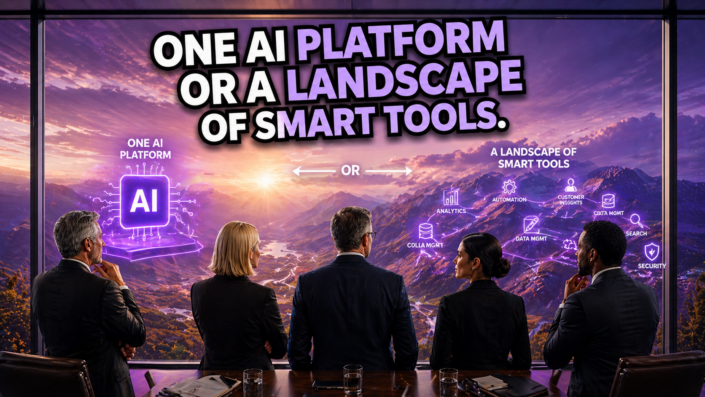
One AI platform or a landscape of smart tools
Organizations face a growing choice between a unified AI platform or multiple tools. An integrated platform offers consistency, governance and scalability. A best of breed approach provides flexibility but increases complexity and cost. Over time, uncontrolled tool sprawl leads to fragmentation and risk. Strategic platform choices today define your AI architecture for years to come.