The future isn’t about replacing strong foundations, but about adding intelligence to what already stands
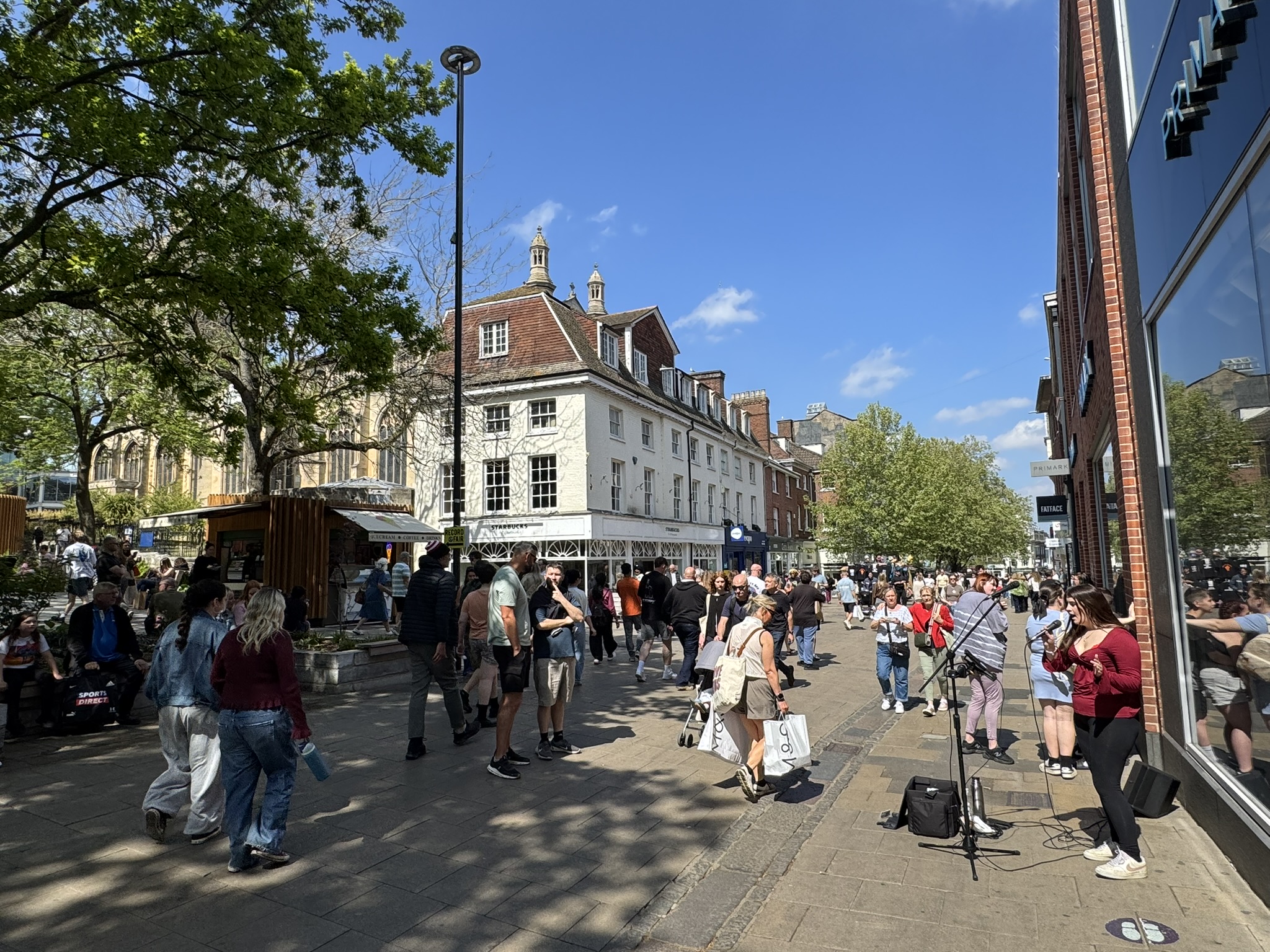

I’m in Norwich, on a busy street. The sunlight is just strong enough to make you slow down. In front of me stands a street musician. No big stage. No screens. No amplification. Just a voice. And that voice is impressive. Pure. Practiced. Present.
Around me are old buildings that were already standing when the word busy had no meaning yet. Churches, walls, towers. Built in a time when everything moved slowly. When decisions were allowed to mature over years, and change unfolded over generations.
And yet they are still here.
While the world around them has completely changed.
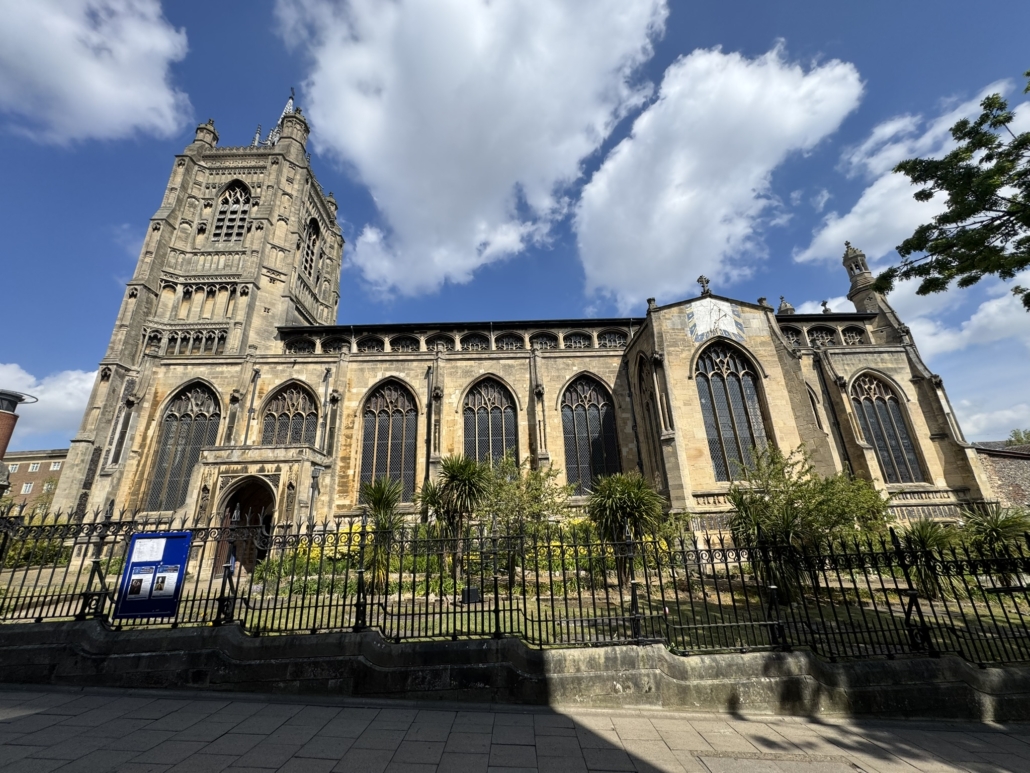
People move faster. Cars rush by. Smartphones in hand (not in the car, of course). Everything moves, everything accelerates, everything seems temporary. But those buildings remain. Not because they ran along with the pace of change, but because they were solid enough to keep standing.
That thought inspires me. Not just as a visitor to this city, but as someone who works with business software every day.
Many organizations look at AI, Copilot and agents today as if they are a tidal wave that will wash away everything that exists. Legacy systems must go. Existing applications suddenly feel suspect. Anything older than a few years seems irrelevant.
But that’s a misconception.
Business applications are much more like these old buildings. They are built around processes that don’t simply disappear. Finance. Procurement. Order processing. Sales. Service. Those foundations don’t change every five years. At most, they get a new context. In fact, in the 25+ years I’ve been working with CRM, the pillars have remained the same.
Just like the church here in Norwich.
The stones are the same. The function may have shifted. The world around it is entirely different. And yet the building still stands. Perhaps stronger than ever.
That’s exactly what I see with many business applications. They continue to exist because they were designed to carry weight. To provide stability. To bring structure to a world that is always in motion.
AI doesn’t change that. Copilot doesn’t replace those applications. Agents don’t tear down foundations.
They add something.
Just like electricity was once added to old buildings. Just like heating, fiber, security and lighting were integrated later, without tearing down the walls.
You don’t demolish a church to install electricity.
You improve its usability.
That’s how I look at AI in the application landscape. Not as a new architect who needs to redraw everything from scratch, but as a craftsman who respectfully adds new possibilities to what already exists.
Copilot makes existing processes easier. Agents take over repetitive tasks within structures that have proven their value for years. AI brings speed, context and intelligence to places where stability is actually essential.
That requires a different mindset than wanting to reinvent everything.
Not throwing away, but strengthening. Not accelerating for the sake of acceleration, but consciously adding where it truly delivers value.
The street musician is still singing. People stop and listen. Not because he is doing something new, but because he is doing something timeless, exceptionally well. His voice resonates, especially in this modern setting.
Maybe that’s the core.
The future of business software is not about saying goodbye to what was, but about letting old and new coexist intelligently. Robust foundations with intelligent layers on top. Structure with imagination. Stability with room for renewal.
Like this city. Like these buildings. Like this music, in the full sunlight of the street.

 Will AI become your colleague or your replacement